

Introduction
WoW Gold For Sale and how gold circulates between players and supports the game economy. Gold acts as the main currency that allows players to trade items, materials, and services. Most player transactions happen through the Auction House, where items are listed and sold to other players. Materials gathered from the world, crafted equipment, and consumables all pass through this marketplace. Because of this constant trading, gold continues to move from one player to another.
Many players interact with the market every day. Some gather materials and sell them for gold. Others craft items such as potions, armor, or enchantments and list them on the Auction House. Many players simply purchase the items they need for raids, dungeons, or other activities. Each of these actions moves gold between players and keeps the market active.
Some players also search for WoW Gold for Sale because they want additional currency to support their gameplay. Instead of spending long periods farming gold through gathering or trading, they prefer to obtain gold quickly and use it to purchase items needed for their characters. When players gain access to additional gold, they often spend it on upgrades, materials, and consumables, which increases market activity.
The Structure of the In Game Economy
The in game economy works through a network of players who gather resources, craft items, and purchase goods. Each player contributes to the market in different ways. Some players focus on gathering materials such as herbs, ores, and other resources. These materials are then sold on the Auction House. Crafters purchase those materials and use them to create items such as potions, armor, and enchantments.
Once crafted items appear on the market, other players purchase them for their own use. Raid groups may buy potions and flasks to prepare for encounters. Dungeon players often purchase food buffs or other consumables before running Mythic Plus dungeons. Players upgrading their equipment may buy crafted gear or materials needed for recrafting items.
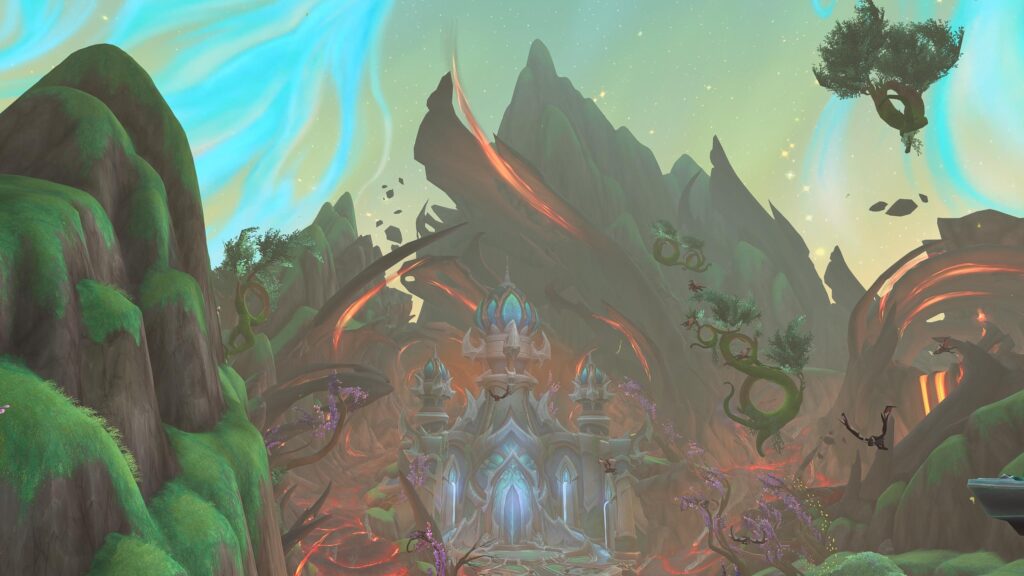
The Auction House serves as the central location where these transactions happen. Sellers list items with a price, and buyers search the listings to find what they need. When a purchase is made, gold transfers from the buyer to the seller. The item then moves from the seller’s inventory to the buyer’s inventory.
Because many players use the Auction House regularly, the economy remains active. Materials move from gatherers to crafters, crafted items move to players who need them, and gold flows between each participant. This constant movement of goods and currency keeps the market functioning.
Where Gold Enters the Economy
Gold enters the economy through several gameplay activities. Players earn gold by completing quests, participating in dungeons, selling items to vendors, or trading goods with other players. Each time a player receives gold from these sources, additional currency enters the market.
Once players earn gold, they often spend it on useful items. For example, a player who completes quests may use the gold to purchase materials for crafting. Another player may use their gold to buy potions or gear upgrades before joining a raid group. Through these purchases, gold moves from one player to another and continues circulating within the market.

The economy also depends on players who gather materials and craft items. Gatherers collect resources from the game world and sell them through the Auction House. Crafters purchase those materials and create items that are then sold to other players. Each step in this process transfers gold between players and keeps trading active.
| Gold Source | How Players Earn It | Role in the Economy |
|---|---|---|
| Quests and activities | Completing content | Introduces new gold |
| Gathering professions | Selling materials | Supplies resources |
| Crafting professions | Selling crafted items | Creates market goods |
| Auction House trading | Buying and reselling items | Circulates gold |
These activities introduce gold into the market and allow it to move between players as they trade items and resources.
How Gold Moves Between Players
Gold moves between players mainly through trading activities. Every time a player buys an item from another player, gold transfers from the buyer to the seller. This exchange happens frequently through the Auction House and keeps the economy active. Materials, crafted items, consumables, and equipment upgrades are constantly bought and sold. Because these items are needed for many activities, gold continues to circulate between different players.
Gatherers often start this process by collecting materials from the game world. Herbs, ores, and other resources are gathered and listed on the Auction House. Crafters purchase these materials so they can produce useful items such as potions, armor, or enchantments. After the items are crafted, they are usually sold back through the Auction House. Players preparing for raids or dungeon runs then purchase these items for their own use.
This cycle continues as gold flows through the market. The gatherer receives gold from the crafter, the crafter receives gold from the player buying the finished item, and the buyer receives equipment or consumables needed for gameplay. Because players continue to gather resources and craft items, this process repeats constantly and keeps the economy active.
Several common transactions help move gold through the market:
- Buying materials gathered by other players
- Purchasing crafted items from crafters
- Trading consumables used for raids or dungeons
- Selling equipment or resources on the Auction House
These actions allow gold to move continuously between players while supporting the supply of useful items.
Auction House as the Center of the Economy
The Auction House acts as the main marketplace where most player trading occurs. Sellers list their items with a price, and buyers search the listings to find items they need. When a purchase happens, the gold moves from the buyer to the seller, and the item transfers to the buyer’s inventory. This simple process supports thousands of daily transactions across many different item categories.

Many players rely on the Auction House for both buying and selling. Gatherers sell their collected materials, crafters sell finished items, and other players purchase those goods for gameplay activities. Because so many players participate in this system, the Auction House becomes the center of the economy.
Prices in the Auction House change based on supply and demand. If many players list the same item at the same time, the price may decrease because buyers have many choices. If fewer items are available but many players want to purchase them, the price may increase. These price changes happen often as players continue to trade items.
The table below shows several common item categories that appear frequently on the Auction House.
| Item Category | Who Sells It | Who Buys It |
|---|---|---|
| Gathering materials | Gatherers | Crafters |
| Crafted equipment | Crafters | Players upgrading gear |
| Raid consumables | Crafters | Raid groups |
| Dungeon consumables | Crafters | Mythic Plus players |
Because these items are used frequently, the Auction House remains active and continues moving gold between players.
Market Demand From Endgame Activities
Endgame activities play a major role in shaping the market. Raids and Mythic Plus dungeons require strong preparation, which increases demand for many items sold on the Auction House. Players who participate in these activities often purchase consumables, crafted gear, and enchantments before starting their runs.
Raid groups usually buy potions, flasks, and food buffs before raid nights. These items provide stat bonuses that help improve performance during boss encounters. Because raids often involve repeated attempts, players may use several consumables during a single session. This creates steady demand for consumables in the market.
Mythic Plus dungeons also influence the market. Players pushing higher keys often rely on gear upgrades and consumables to perform well. These players may purchase crafted equipment or materials needed for improving their gear. As more players participate in these activities, the demand for useful items remains strong.
Players who observe market activity often notice several patterns related to endgame content:
- Consumables selling faster before raid nights
- Crafting materials increasing in demand during new seasons
- Gear upgrades becoming popular when players prepare for new content
- Auction House activity increasing during major updates
These patterns show how player activities influence the movement of gold and items throughout the market.