
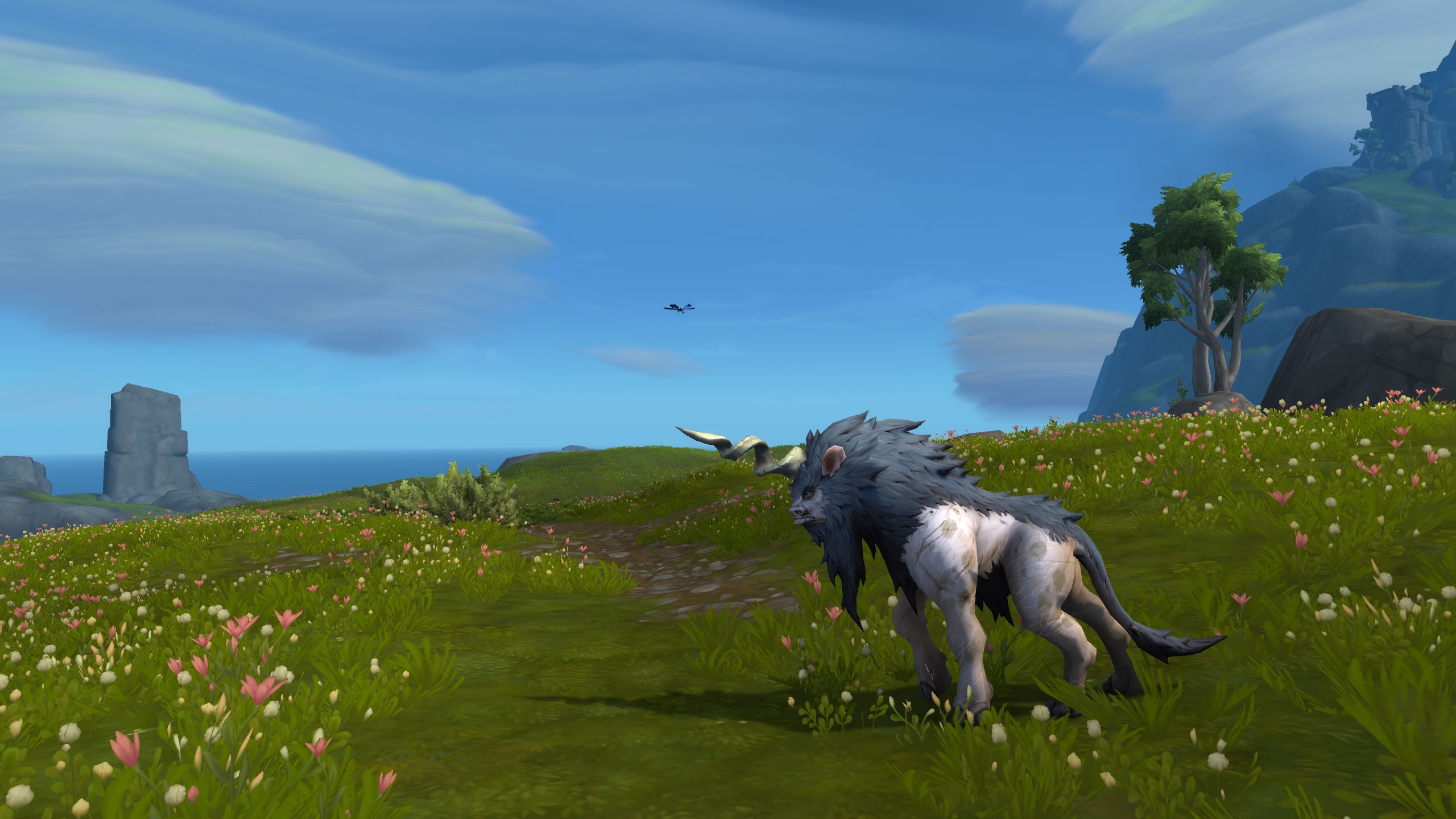
Since its release in 2004, World of Warcraft (WoW) has been one of the most iconic and enduring MMORPGs in the world. Part of its longevity can be attributed to the game’s ability to evolve over time, particularly when it comes to its graphics. As technology advanced, WoW has continually updated its visuals to keep up with industry standards, but it has also stayed true to the distinct art style that made it so recognizable in the first place. In this article, we’ll explore how WoW’s graphics have evolved while preserving the game’s core identity.
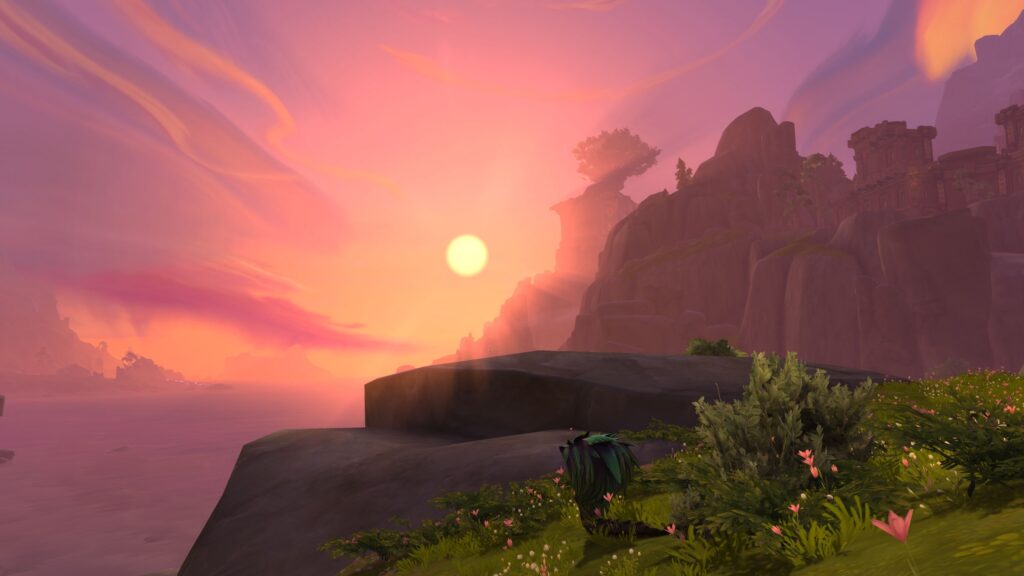
The Early Days: A Unique Art Style
When WoW first launched, its graphics were a major departure from the more realistic style of many other games. Instead of aiming for hyper-realism, WoW opted for a more stylized, cartoony look. This approach was both charming and practical, allowing the game to run on a wider range of hardware while creating a unique identity that still resonates with players today.
Notable Features:
- Distinctive Character Designs: Early characters had exaggerated proportions, such as larger heads and hands, which gave them a playful, almost whimsical appearance.
- Bright, Colorful Environments: The landscapes of Azeroth were vibrant, with bold colors that created a sense of wonder and adventure.
- Low-Poly Models: The game used low-polygon models that were simpler to render, allowing for a smoother gameplay experience.
This stylized look was not only practical but also helped WoW stand out in a crowded genre, setting it apart from more realistic MMORPGs like EverQuest.
The Burning Crusade and Beyond: Early Visual Upgrades
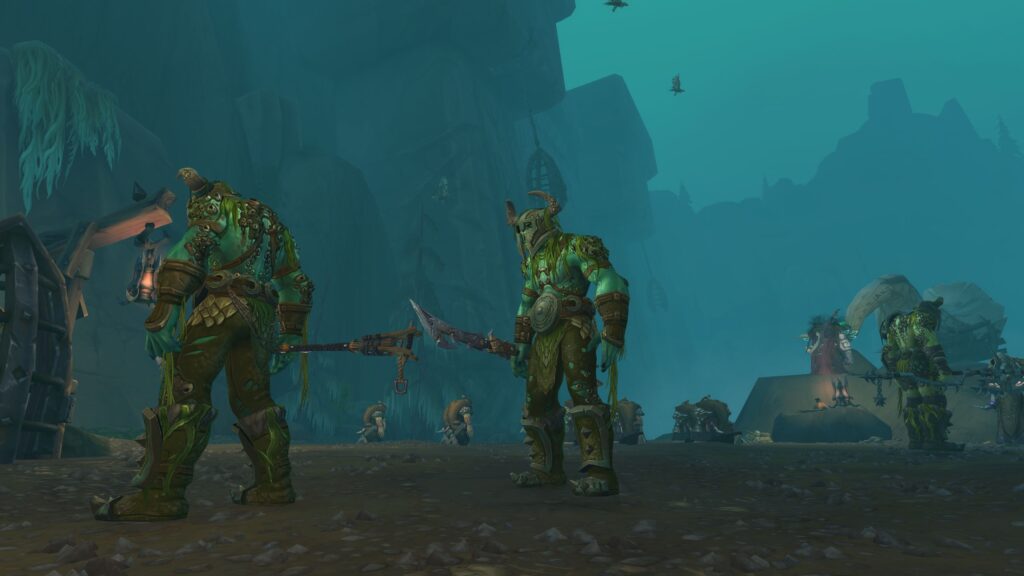
As the years went by, Blizzard began to update WoW’s graphics, starting with the *Burning Crusade* expansion. While still maintaining its iconic art style, the game began incorporating more detailed textures, improved lighting effects, and better models to keep the game feeling fresh.
Notable Improvements:
- Improved Character Models: The character models were refined, adding more detail to faces, armor, and clothing.
- Higher-Quality Textures: The environments began to feature more detailed textures, making zones look more realistic while retaining their stylized flair.
- Enhanced Lighting Effects: The addition of better lighting and shadow effects allowed WoW’s environments to feel more dynamic and immersive.
These early visual upgrades kept WoW looking modern, but they also showed Blizzard’s commitment to preserving the unique art style that had become synonymous with the game.
Cataclysm and Mists of Pandaria: Revamping the World
With the *Cataclysm* expansion, Blizzard took the opportunity to revamp many parts of Azeroth’s world, significantly improving the game’s visual quality. New technologies and artistic techniques were employed to create a more visually striking game without losing the charm of the original design.
Notable Features:
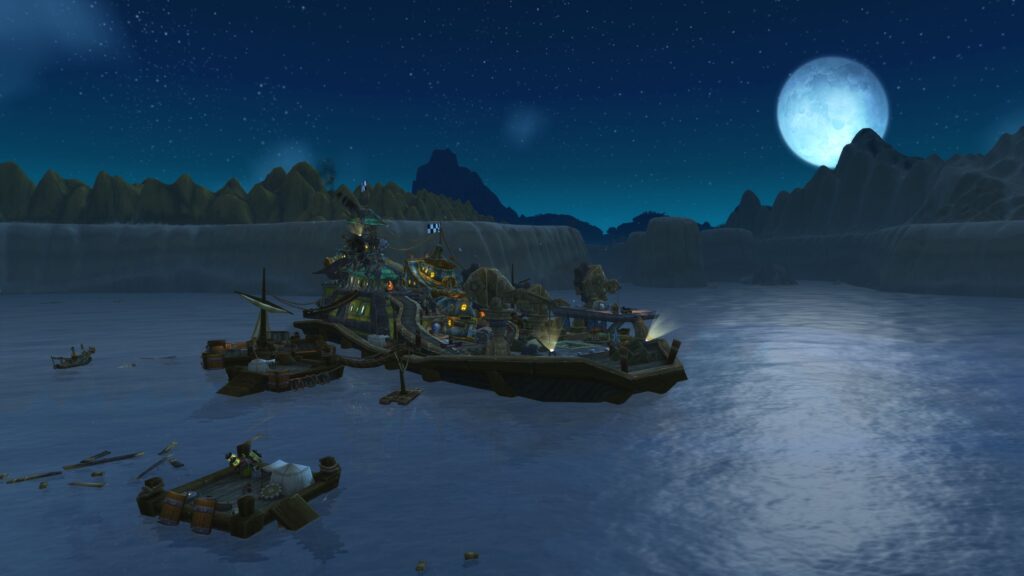
- World Revamps: The landscapes of Azeroth were updated, featuring new textures, more intricate details, and dynamic weather effects that made the world feel more alive.
- Improved Water Effects: The *Mists of Pandaria* expansion introduced stunning new water effects that allowed for more realistic reflections and more immersive water landscapes.
- Redesigned Character Models: Character models became more detailed and expressive, but still maintained the signature larger-than-life proportions and exaggerated features.
These improvements demonstrated that WoW could evolve without losing the charm and visual identity that made it a global phenomenon.
Battle for Azeroth and Shadowlands: The Modern Era
In recent expansions like *Battle for Azeroth* and *Shadowlands*, WoW has continued to push the envelope with graphics while remaining faithful to its iconic art style. Advanced rendering techniques, such as better lighting, improved shadow effects, and more detailed environments, have given the game a modern look while preserving its unique aesthetic.
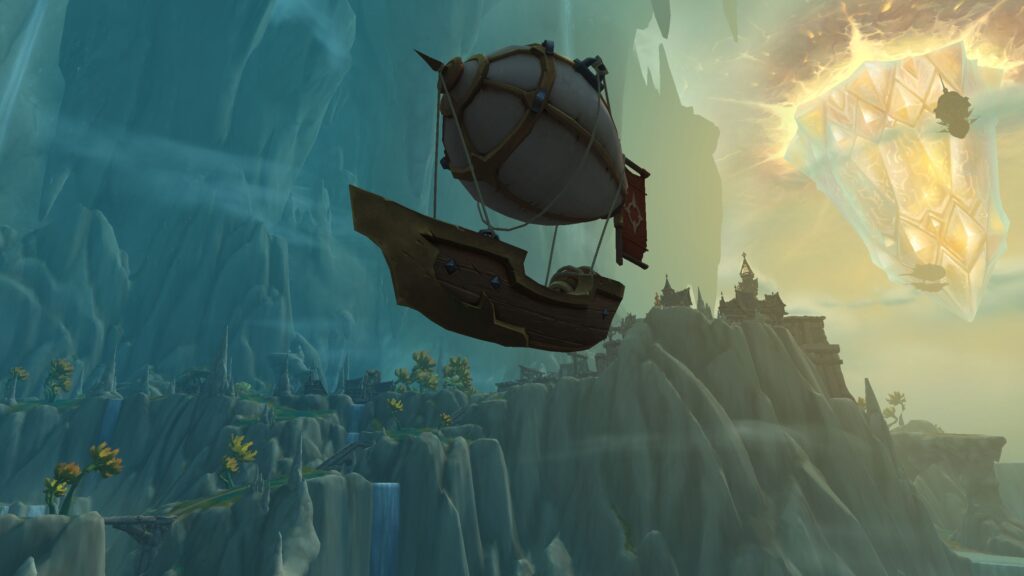
Notable Features:
- Realistic Weather Effects: Realistic storms, fog, and rain were introduced, making the environments feel more immersive without disrupting the game’s overall aesthetic.
- Dynamic Lighting: The use of dynamic lighting techniques allowed for more dramatic scenes, such as sunlight streaming through trees or the glow of a dungeon’s eerie lights.
- Detailed Environments: Zones like Nazjatar and Bastion featured stunning visual design, with each environment telling a story through its visual details.
These graphical updates prove that WoW can keep up with modern standards while staying true to the unique, stylized art direction that made it so beloved.
Conclusion: Balancing Innovation and Tradition
WoW’s graphics have evolved significantly over the years, yet the game has managed to maintain its identity throughout these changes. Blizzard has continuously refined its visual design, embracing new technologies while staying true to the core art style that made WoW so appealing. The result is a game that remains visually fresh and modern, yet instantly recognizable to players old and new. As WoW continues to evolve, it will undoubtedly face new challenges, but the commitment to balancing innovation with tradition will ensure that its visuals remain an integral part of its enduring legacy.
Home